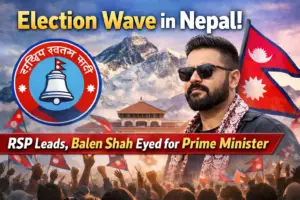
Nepal’s political landscape is witnessing a dramatic shift as a new wave of voter sentiment sweeps across the country. The latest election discussions and early indicators suggest that the Rastriya Swatantra Party (RSP) is rapidly gaining popularity among voters. Citizens frustrated with traditional political structures appear to be rallying behind newer leadership and alternative visions for governance.
The changing mood among voters has become evident in multiple regions where political discussions increasingly revolve around reform, accountability, and fresh leadership. Many citizens, particularly young voters, are expressing strong support for leaders who promise transparency and development-driven policies.
Observers believe that the rise of RSP reflects a broader transformation in Nepal’s democratic environment. Over the past few years, public dissatisfaction with long-established political parties has steadily grown. Issues such as corruption, slow economic progress, and political instability have contributed to a demand for change.
Political analysts suggest that the current election momentum could reshape Nepal’s future leadership structure. If the trend continues, the RSP may secure a significant position in parliament, potentially altering long-standing power balances within the nation’s political system.
Growing Support for Balen Shah as a Potential Prime Minister
One of the most striking developments in the ongoing political conversation is the increasing speculation surrounding Balen Shah as a potential candidate for the position of Prime Minister. Shah, who gained national recognition through his leadership and reform-focused image, has become a symbol of change for many citizens.
Supporters argue that Shah represents a new generation of leadership capable of addressing Nepal’s long-standing governance challenges. His approach, often described as practical and development-focused, resonates strongly with urban voters and young professionals who want faster progress and improved infrastructure.
Across social media platforms and public discussions, conversations about Shah’s leadership potential are becoming more frequent. Many people believe that his administrative experience and public popularity could translate into broader national support if political circumstances align.
However, political experts caution that forming a government in Nepal’s parliamentary system requires complex alliances and strategic negotiations. Even if RSP performs strongly in elections, building coalitions with other parties will remain a crucial factor in determining the final leadership outcome.
Despite these uncertainties, the momentum behind reform-oriented politics is unmistakable. Citizens appear increasingly willing to move beyond traditional political loyalties in favor of candidates who promise tangible change.
The evolving election environment has also sparked renewed interest in civic participation. Political rallies, debates, and policy discussions are drawing larger audiences, reflecting a growing engagement among voters who want to play a more active role in shaping the country’s direction.
If the current trend continues, Nepal may soon witness one of the most transformative elections in its recent history. The emergence of RSP as a major political contender, combined with rising support for figures like Balen Shah, signals a potential turning point in the nation’s democratic journey.
For many voters, this election is not just about choosing representatives—it is about redefining the future of governance in Nepal. As the campaign season progresses, all eyes will remain on how these political dynamics unfold and whether the surge of support for new leadership will ultimately reshape the country’s political map.
